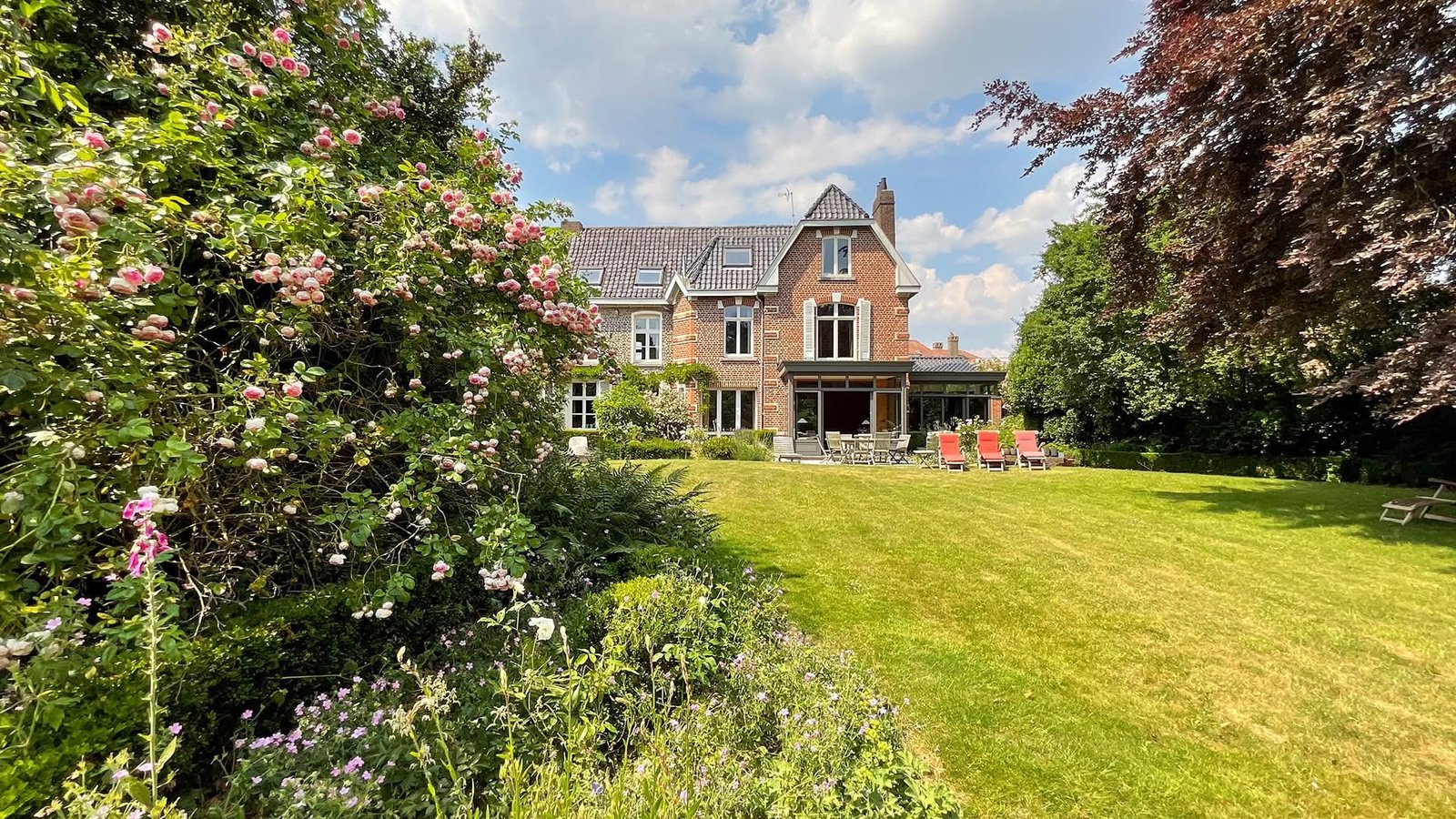

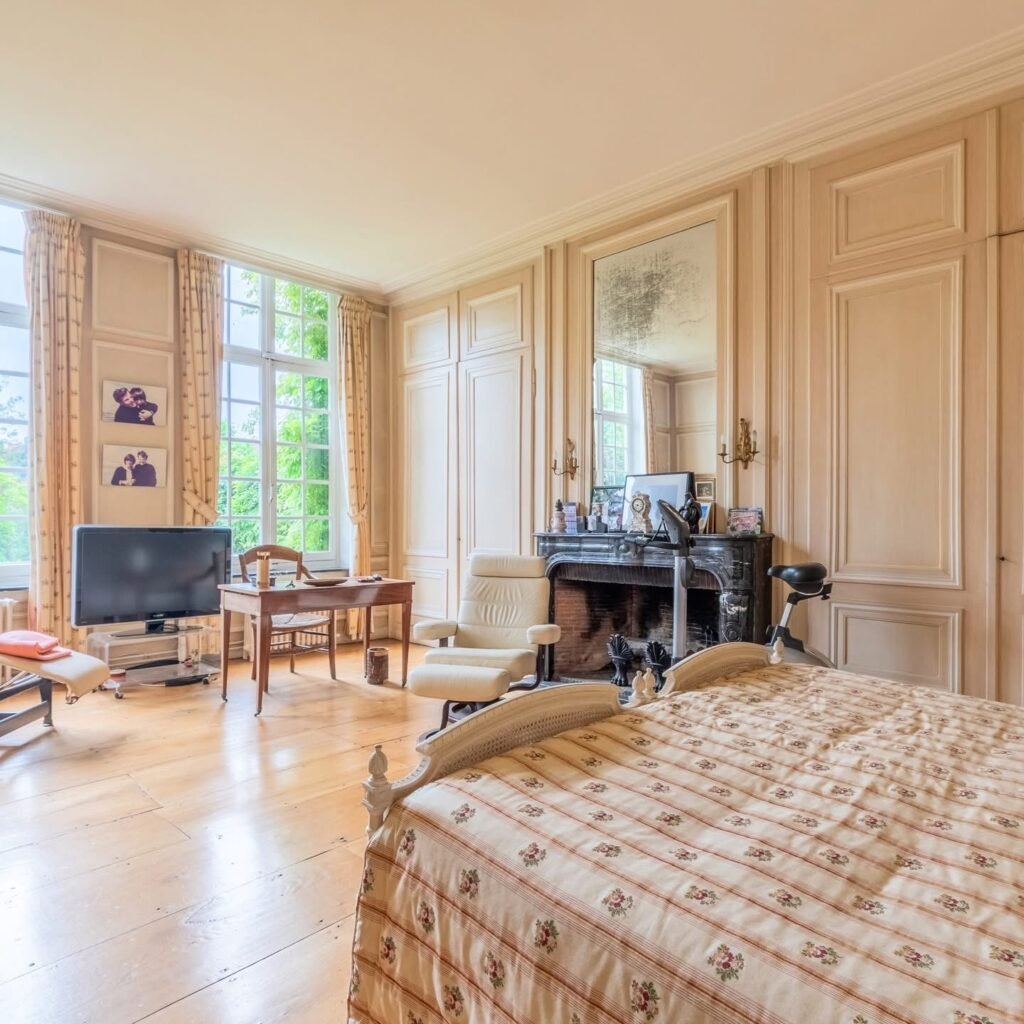
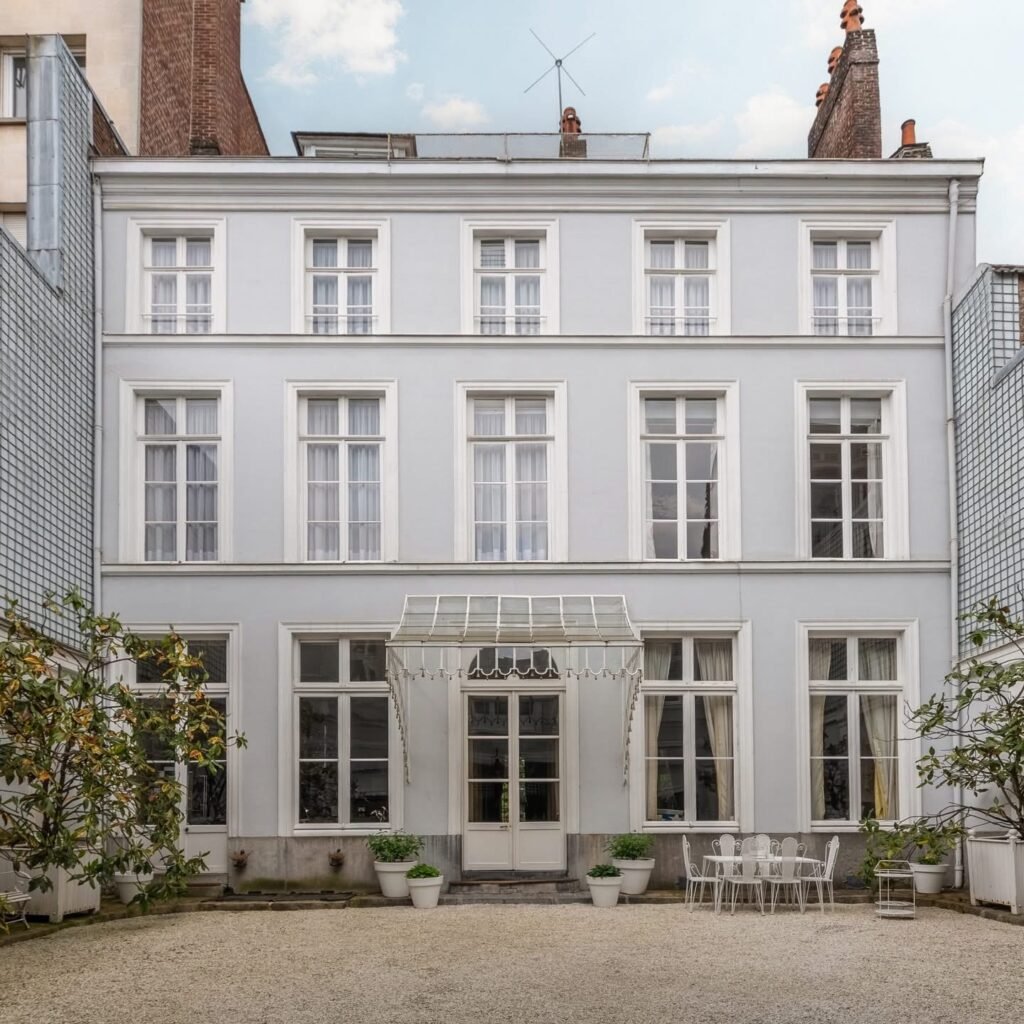
French rare house for sale in the heart of Vieux-Lille
 Gol
Gol Explore France’s rare house market with our expert guide. Discover why French rare houses for sale are in high demand, the types of unique homes available, buyer motivations, regional hotspots, investment tips, and practical advice to find and buy your dream property in France.
French Rare House for Sale: A Guide to France’s Most Unique Properties and the Latest Market Trends
France has always held a certain mystique for property lovers worldwide, but a new trend is taking center stage: the meteoric rise in demand for rare and unique houses across the country. From historic windmills to converted factories, from storybook châteaux to modernist architectural gems, the French rare house for sale is not just a line in an estate agent’s advert anymore—it is a phenomenon reshaping the nation’s real estate landscape.What’s behind this craze?
Instead of following typical market rules, this niche sector is driven by emotion, a quest for architectural authenticity, and a desire for living spaces that tell a story. Surging above general market uncertainties—rising interest rates, tighter lending, global volatility—rare French properties are in a class of their own, buoyed by passionate buyers, both French and international. In this comprehensive guide, we’ll unpack the ins and outs of the rare house market in France:- What makes a home in France truly rare?
- Which regions and property types are hottest?
- Who is driving this market, and what are their motivations?
- How does buying a unique French property differ from a standard house purchase?
- What are the challenges, risks, and long-term prospects? Whether you’re an intrigued first-time buyer, a seasoned investor, or a dreamer browsing from afar, this deep-dive will equip you with market insights, practical advice, and inspiration for your next move.
1. What Defines a Rare French House?
The French property market is rich and varied, but not all homes are created equal. While most real estate listings feature standard apartments or classic townhouses, rare houses in France boast a personality and heritage all their own. These are homes you won’t find twice on the same street—or even, sometimes, across the whole country. Key features of French rare houses include:- Architectural uniqueness: Daring design, historical craftsmanship, or one-of-a-kind structure.
- Historical significance: Homes with a storied past, from ancient convents to industrial heritage sites.
- Scarcity: Fewer than a few dozen properties of their type across France.
- Emotional resonance: Spaces that inspire wonder, nostalgia, or a creative spark.
- Special settings: Perched on rivers, nestled in vineyards, or hidden among Parisian rooftops.
2. Market Trends: Why Rare Houses Are Defying the Odds
While much of France’s property market faces headwinds—courtesy of inflation, lingering economic uncertainty, and higher financing costs—the rare house segment remains extraordinarily resilient.Key drivers include:
- Emotion over economics: An Opinionway study found that 74% of buyers of atypical properties buy primarily on a whim, rather than for return on investment.
- Less dependence on credit: Many rare house buyers are cash-rich or receive family support, rendering them less sensitive to lending conditions.
- Pandemic legacy: Remote work and lockdowns have amplified the desire for unique, inspiring living spaces.
- International demand: Non-resident buyers continue to seek out rare French homes for primary or secondary residences, driving up demand in key regions.
- Limited supply: By their very nature, rare houses are in short supply. When one comes to market, competition can be fierce.
- The atypical property market increased by 24% this year, compared to a generally cooling national market.
- Paris and the most picturesque regions (Dordogne, Provence, Loire Valley, Brittany) saw double-digit sales growth in unique properties.
- Price resilience: While standard homes have seen values soften, rare houses often maintain or even increase their asking prices if the property’s story and setting are compelling enough.
3. The Emotional Factor: Why Buyers Choose Rare Houses
Buying a home is always a big decision, but when it comes to rare French properties, emotion overrides logic for most buyers. For many, the heart rules over the head.Primary emotional motivators:
- A sense of history and storytelling: Living in a home once owned by an aristocrat or crafted by a renowned architect offers a daily connection to the past.
- Lifestyle transformation: Buyers seek homes that align with their dreams—hosting friends in a medieval dining hall, painting in a sunlit atelier, or waking up to a vineyard view.
- Desire for authenticity: In an era of mass-produced housing, the uniqueness of a rare French house offers true character and individuality.
- A unique legacy: Many buyers see these homes as both a family legacy and a way to stand out.
Quote from the field:
“Our buyers fall in love at first sight. The property speaks to them, and practicalities come second,” says a Paris-based agent specializing in unusual homes.
4. Types of French Rare Houses for Sale
French rare houses for sale span a dazzling spectrum of style, history, and setting. Here’s a look at the most sought-after categories:4.1 Châteaux and Manor Houses
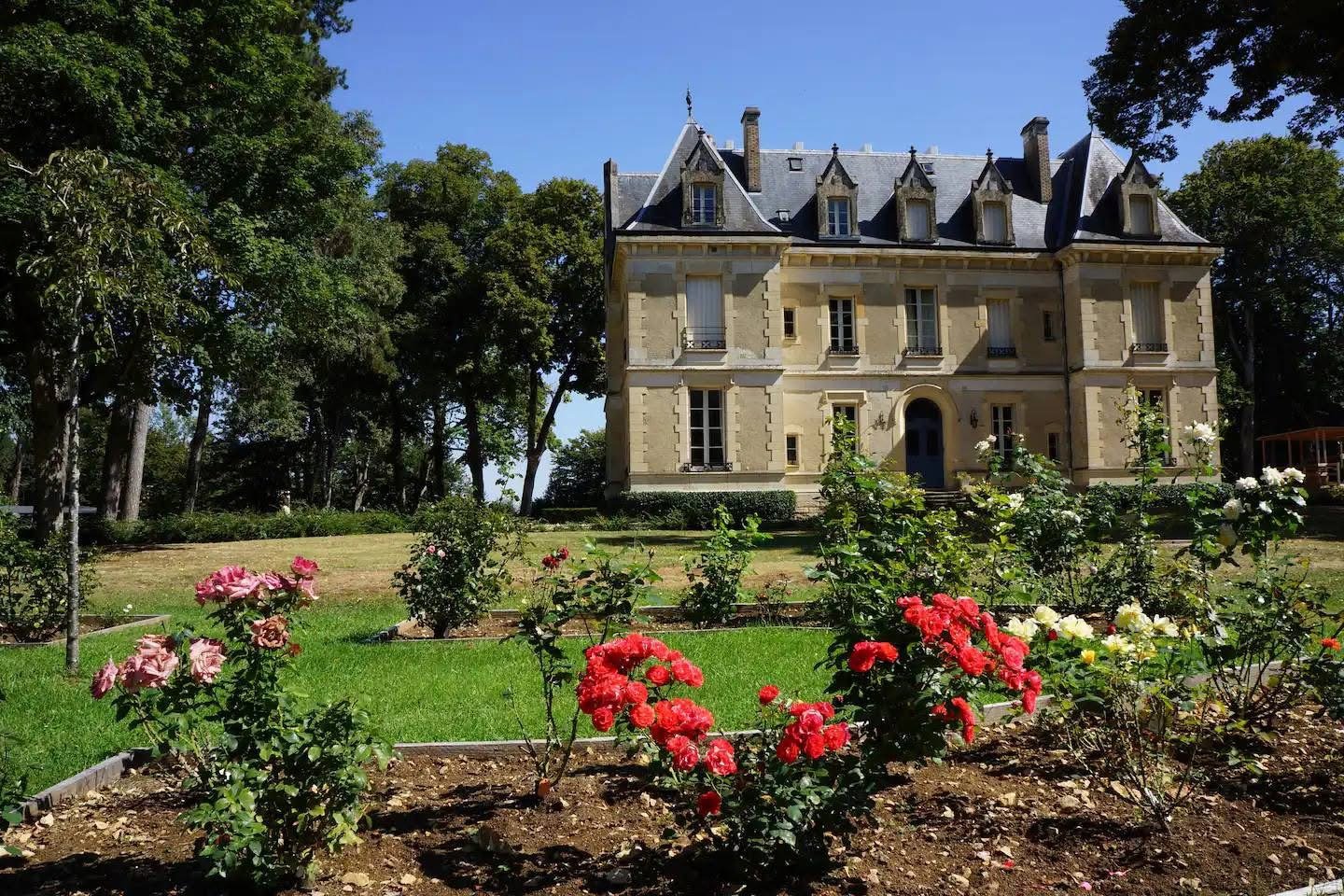
- France is dotted with thousands of châteaux, from grand Renaissance palaces to intimate manors.
- Many châteaux have been tastefully renovated to blend modern comfort with antique grandeur.
- Prices range from €500,000 for a fixer-upper in the countryside to €10 million+ for historic estates near Paris or Bordeaux.
4.2 Converted Mills and Barns
- Once abandoned, rural mills and barns are now cherished for their soaring beams, riverside settings, and scope for bespoke renovation.
- These properties often come with large plots, outbuildings, or unique water rights.
- Popular in Dordogne, Normandy, and the Loire Valley.
4.3 Architect’s Houses & Modernist Gems
- French modernist homes—think Le Corbusier, Mallet-Stevens, or even local architects—are rare, collectible trophies.
- Periods range from Art Deco to late 20th-century innovation.
- Strong demand from Parisian and international intellectuals, artists, and entrepreneurs.
4.4 Historic Lofts, Factories, and Schools
- Urban buyers snap up converted industrial spaces for their open-plan layouts, lofty ceilings, and creative cachet.
- Former Paris printing works, Marseilles schools, or Lyon silk factories frequently headline the rare house market.
- Lofts in trendy city districts often command premium rents if marketed as short-term lets.
4.5 Unusual Waterfront and Urban Properties
- Houseboats on the Seine, rooftop penthouses in Nice, or cliff-perched villas on the Brittany coast qualify as the rarest of the rare.
- These listings move quickly, often selling to French or Swiss buyers who value privacy and exclusivity.
Description
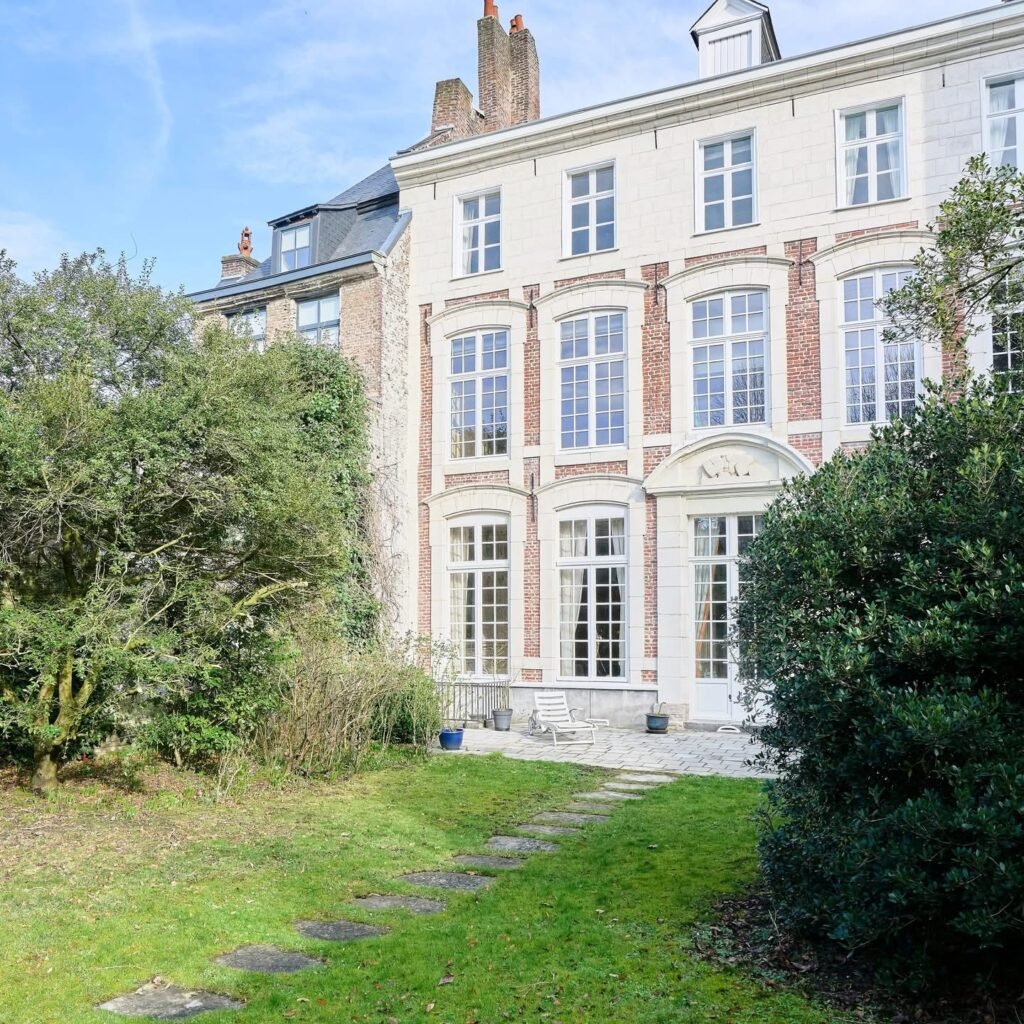
French rare house for sale in the heart of Vieux-Lille
✨ Co-Exclusivity – Vieux-Lille, Royal Sector ✨
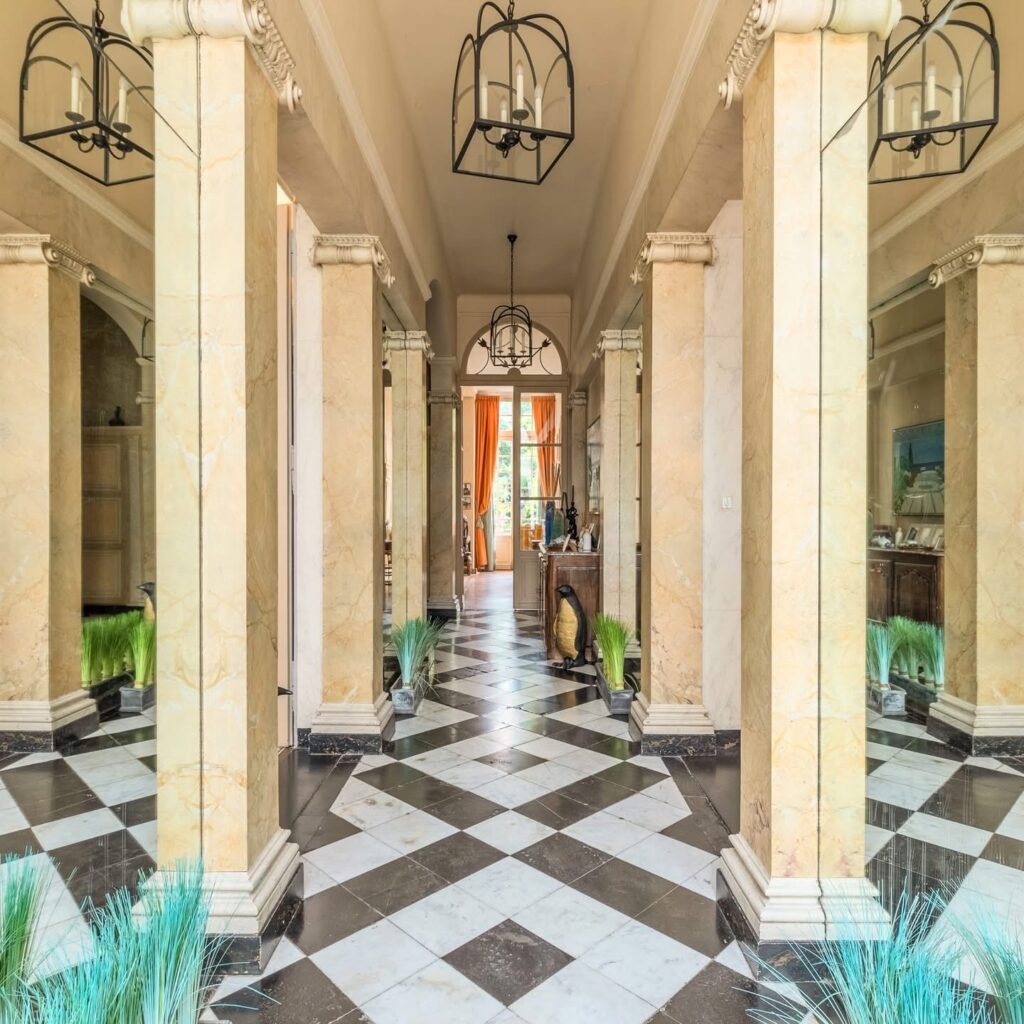
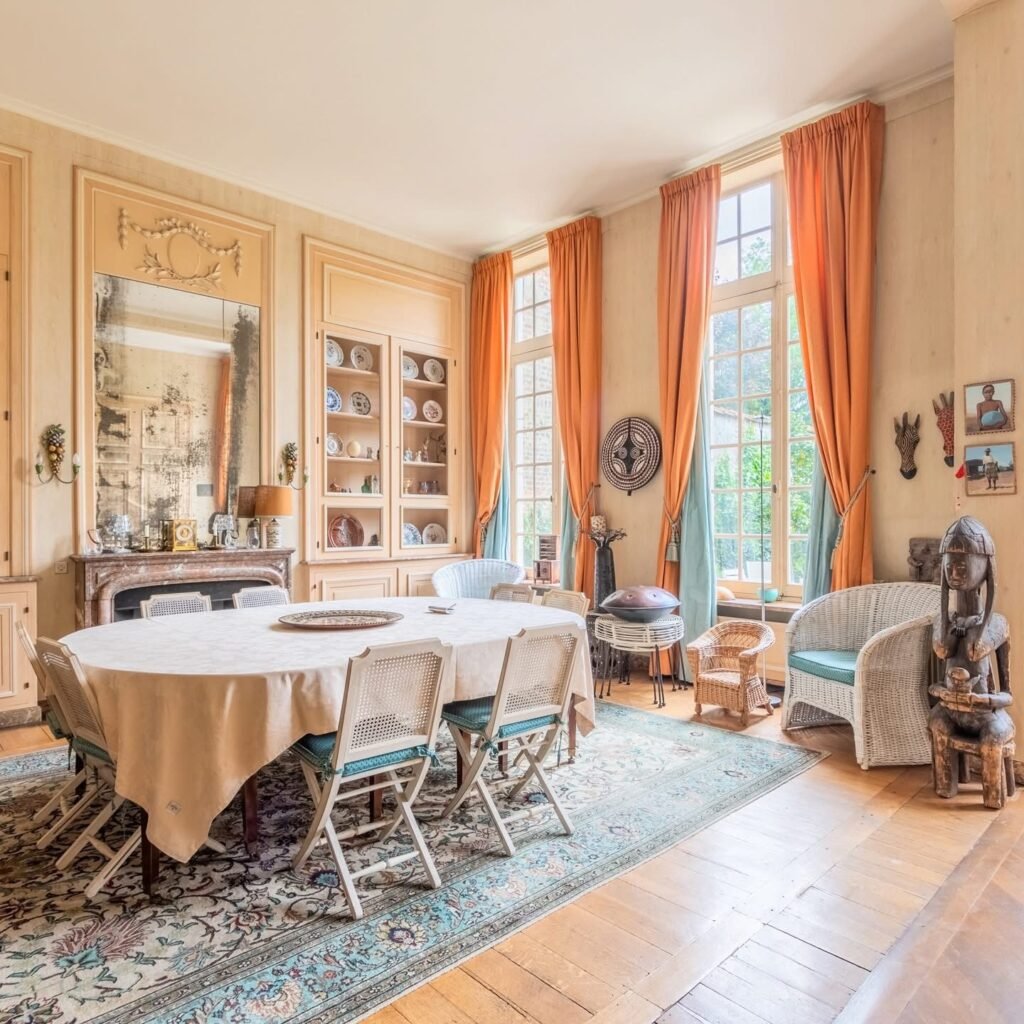
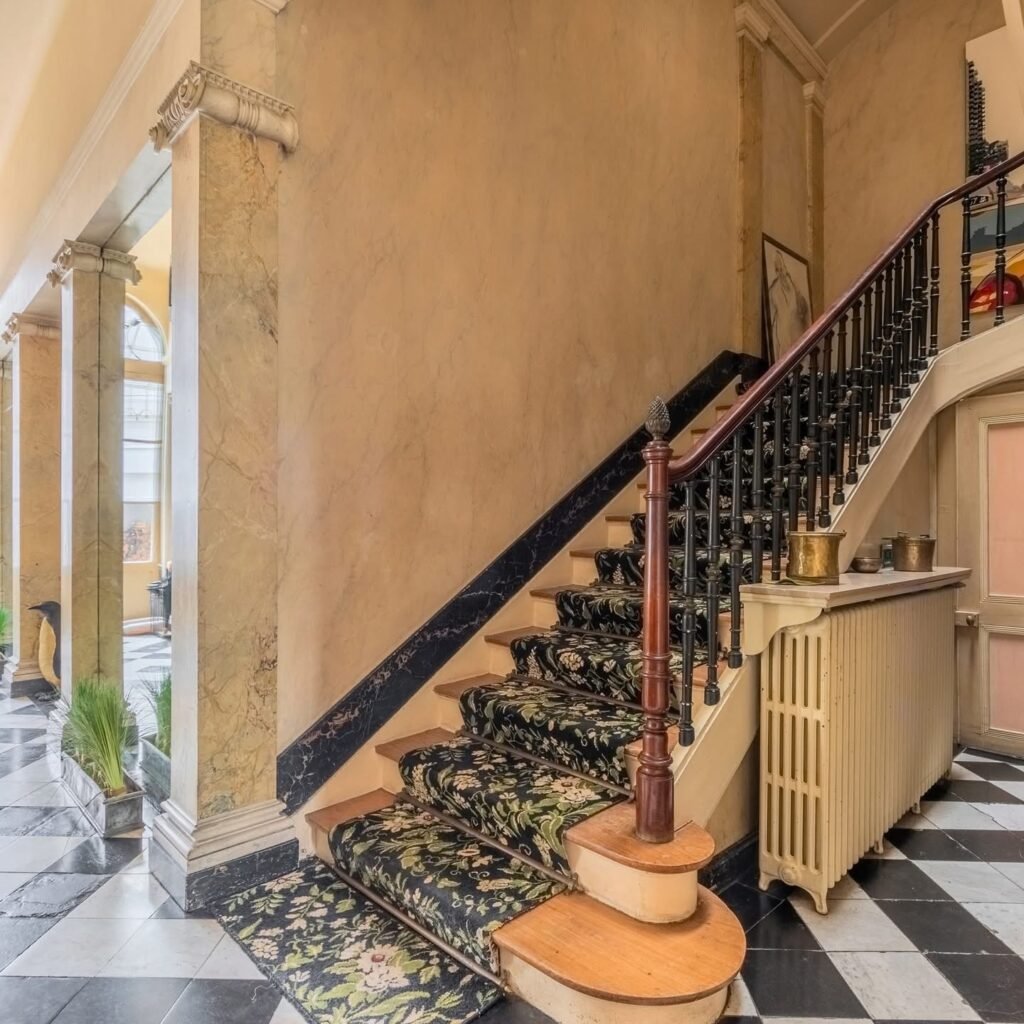
A stone’s throw from the Grand Place, discover an exceptional 17th-century hotel 🏛️, blending historic charm with timeless elegance.
🚗 Paved yard with parking (3-4 vehicles) + private garages
🏡 Independent apartment ideal pro or rental
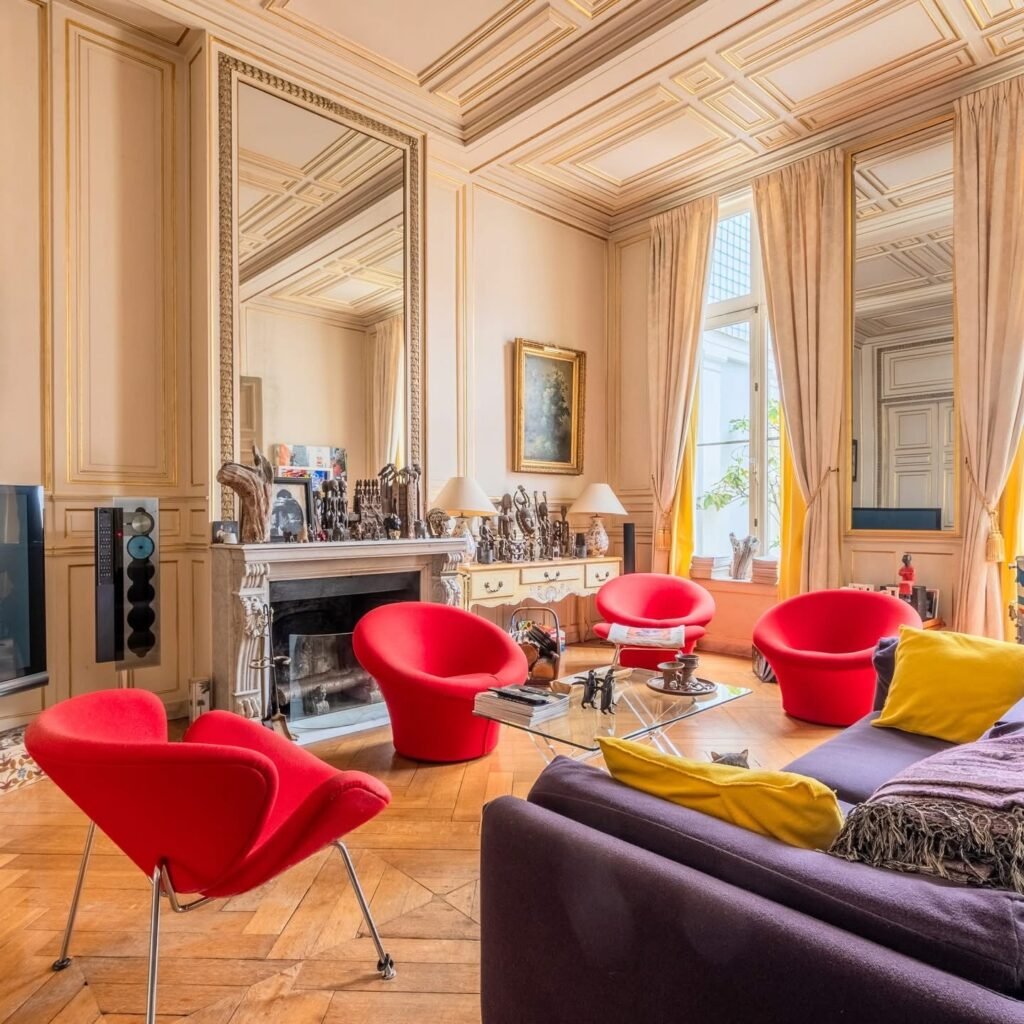
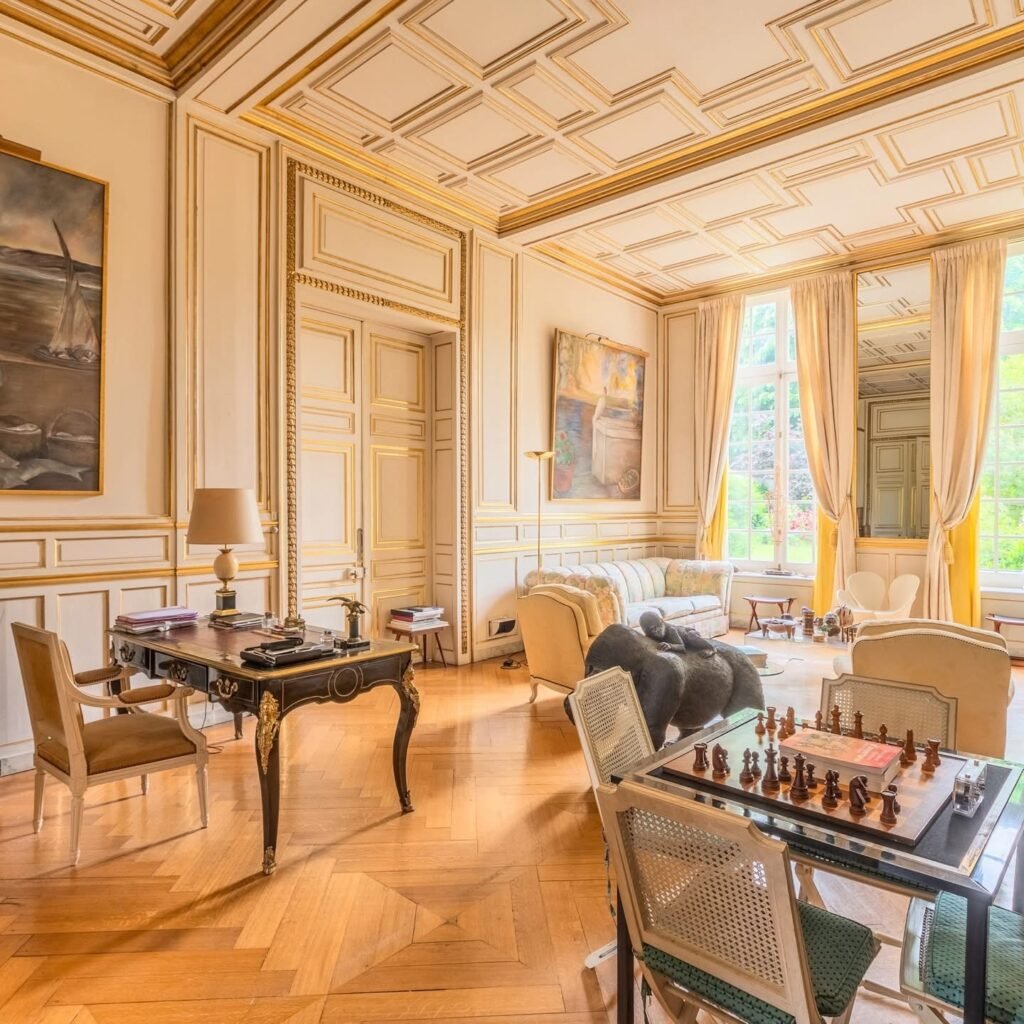
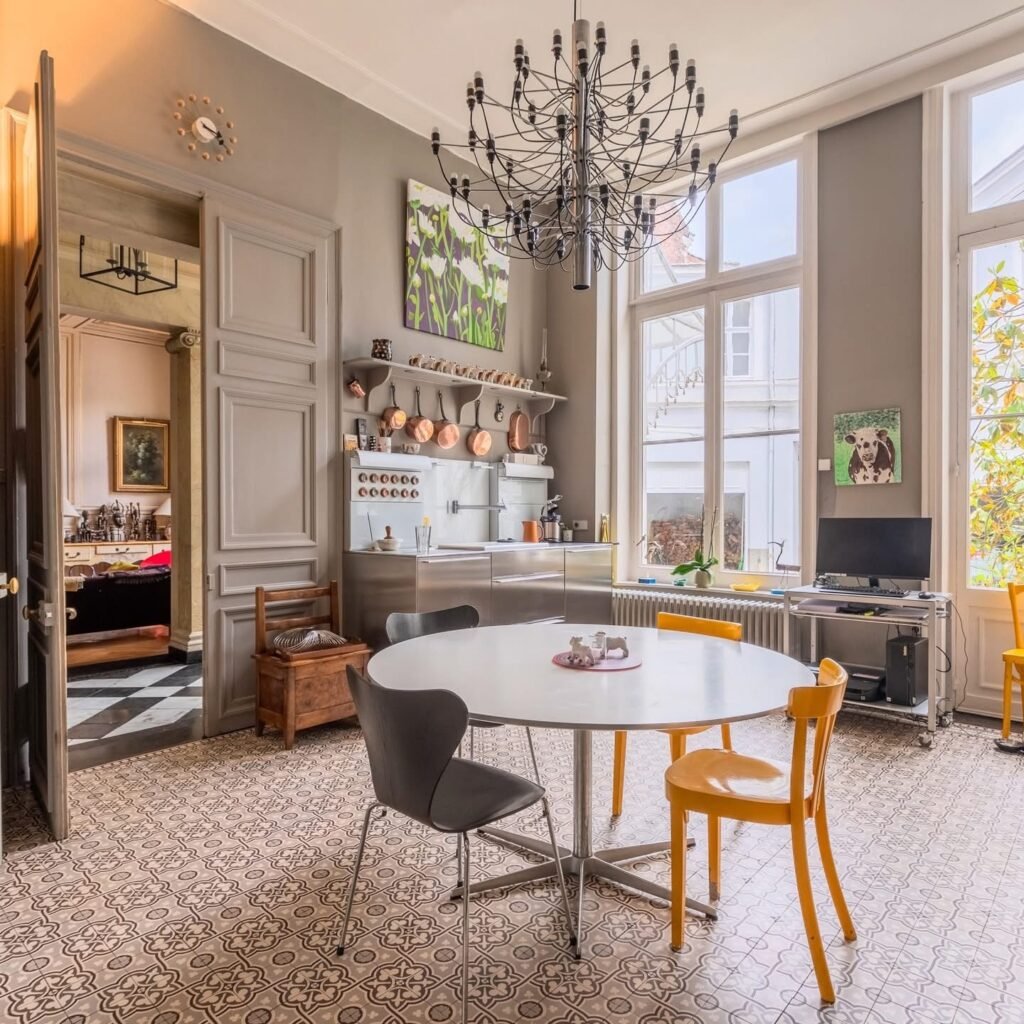
✨ Remarkable volumes, period woodwork, Hungarian point parquet & 4.20 m height under ceiling
🛏️ Several suites and rooms, modular spaces according to your projects
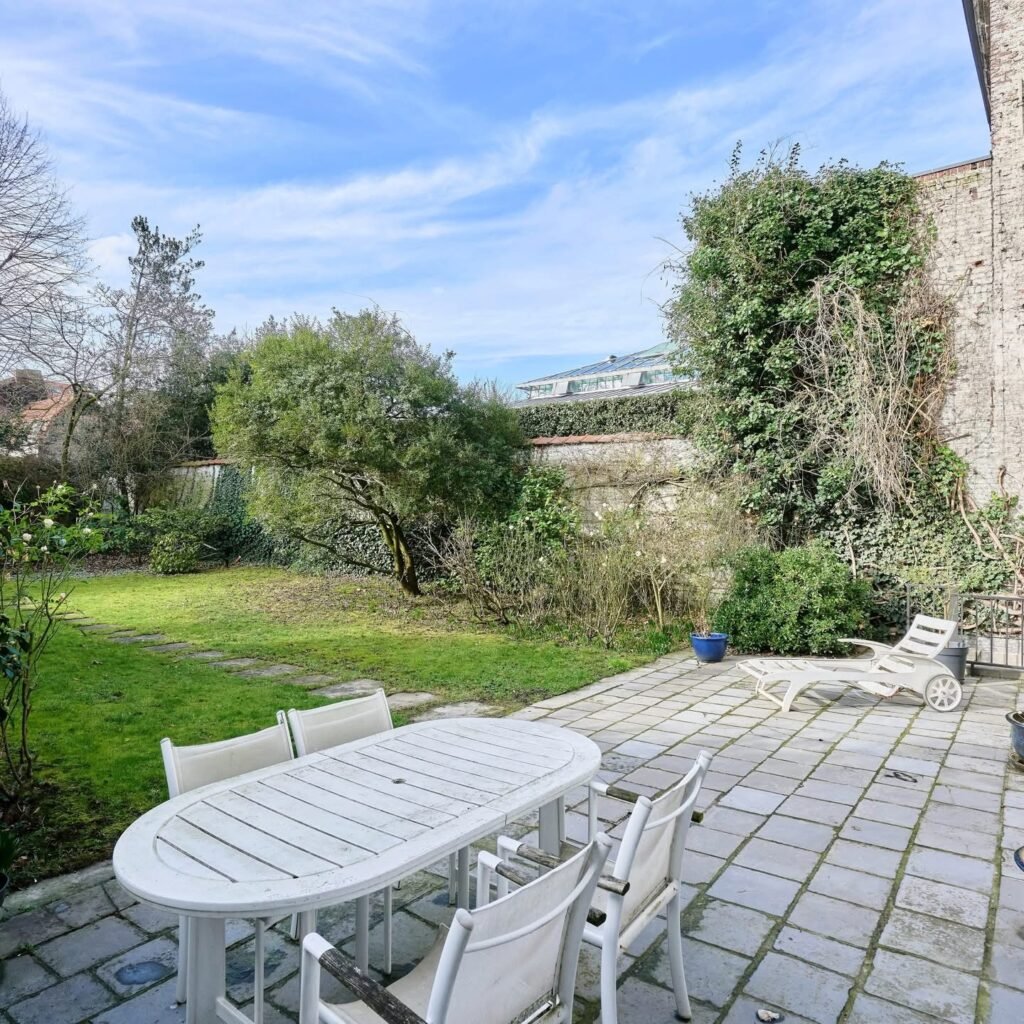
🍷 Cellars, manageable attic & tree-lined garden hiding from the eyes 🌿
A rare property in the heart of Vieux-Lille, between prestige, seclusion and heritage potential.
—-
Explore France’s rare house market with our expert guide. Discover why French rare houses for sale are in high demand, the types of unique homes available, buyer motivations, regional hotspots, investment tips, and practical advice to find and buy your dream property in France.
French Rare House for Sale: A Guide to France’s Most Unique Properties and the Latest Market Trends
France has always held a certain mystique for property lovers worldwide, but a new trend is taking center stage: the meteoric rise in demand for rare and unique houses across the country. From historic windmills to converted factories, from storybook châteaux to modernist architectural gems, the French rare house for sale is not just a line in an estate agent’s advert anymore—it is a phenomenon reshaping the nation’s real estate landscape.
What’s behind this craze?
Instead of following typical market rules, this niche sector is driven by emotion, a quest for architectural authenticity, and a desire for living spaces that tell a story. Surging above general market uncertainties—rising interest rates, tighter lending, global volatility—rare French properties are in a class of their own, buoyed by passionate buyers, both French and international.
In this comprehensive guide, we’ll unpack the ins and outs of the rare house market in France:
- What makes a home in France truly rare?
- Which regions and property types are hottest?
- Who is driving this market, and what are their motivations?
- How does buying a unique French property differ from a standard house purchase?
- What are the challenges, risks, and long-term prospects?
Whether you’re an intrigued first-time buyer, a seasoned investor, or a dreamer browsing from afar, this deep-dive will equip you with market insights, practical advice, and inspiration for your next move.
1. What Defines a Rare French House?
The French property market is rich and varied, but not all homes are created equal. While most real estate listings feature standard apartments or classic townhouses, rare houses in France boast a personality and heritage all their own. These are homes you won’t find twice on the same street—or even, sometimes, across the whole country.
Key features of French rare houses include:
- Architectural uniqueness: Daring design, historical craftsmanship, or one-of-a-kind structure.
- Historical significance: Homes with a storied past, from ancient convents to industrial heritage sites.
- Scarcity: Fewer than a few dozen properties of their type across France.
- Emotional resonance: Spaces that inspire wonder, nostalgia, or a creative spark.
- Special settings: Perched on rivers, nestled in vineyards, or hidden among Parisian rooftops.
The search for a French rare house for sale reflects not only a real estate transaction but a personal journey for something authentic and irreplaceable.
2. Market Trends: Why Rare Houses Are Defying the Odds
While much of France’s property market faces headwinds—courtesy of inflation, lingering economic uncertainty, and higher financing costs—the rare house segment remains extraordinarily resilient.
Key drivers include:
- Emotion over economics: An Opinionway study found that 74% of buyers of atypical properties buy primarily on a whim, rather than for return on investment.
- Less dependence on credit: Many rare house buyers are cash-rich or receive family support, rendering them less sensitive to lending conditions.
- Pandemic legacy: Remote work and lockdowns have amplified the desire for unique, inspiring living spaces.
- International demand: Non-resident buyers continue to seek out rare French homes for primary or secondary residences, driving up demand in key regions.
- Limited supply: By their very nature, rare houses are in short supply. When one comes to market, competition can be fierce.
Market Highlights
- The atypical property market increased by 24% this year, compared to a generally cooling national market.
- Paris and the most picturesque regions (Dordogne, Provence, Loire Valley, Brittany) saw double-digit sales growth in unique properties.
- Price resilience: While standard homes have seen values soften, rare houses often maintain or even increase their asking prices if the property’s story and setting are compelling enough.
3. The Emotional Factor: Why Buyers Choose Rare Houses
Buying a home is always a big decision, but when it comes to rare French properties, emotion overrides logic for most buyers. For many, the heart rules over the head.
Primary emotional motivators:
- A sense of history and storytelling: Living in a home once owned by an aristocrat or crafted by a renowned architect offers a daily connection to the past.
- Lifestyle transformation: Buyers seek homes that align with their dreams—hosting friends in a medieval dining hall, painting in a sunlit atelier, or waking up to a vineyard view.
- Desire for authenticity: In an era of mass-produced housing, the uniqueness of a rare French house offers true character and individuality.
- A unique legacy: Many buyers see these homes as both a family legacy and a way to stand out.
Quote from the field:
“Our buyers fall in love at first sight. The property speaks to them, and practicalities come second,” says a Paris-based agent specializing in unusual homes.
4. Types of French Rare Houses for Sale
French rare houses for sale span a dazzling spectrum of style, history, and setting. Here’s a look at the most sought-after categories:
4.1 Châteaux and Manor Houses
- France is dotted with thousands of châteaux, from grand Renaissance palaces to intimate manors.
- Many châteaux have been tastefully renovated to blend modern comfort with antique grandeur.
- Prices range from €500,000 for a fixer-upper in the countryside to €10 million+ for historic estates near Paris or Bordeaux.
4.2 Converted Mills and Barns
- Once abandoned, rural mills and barns are now cherished for their soaring beams, riverside settings, and scope for bespoke renovation.
- These properties often come with large plots, outbuildings, or unique water rights.
- Popular in Dordogne, Normandy, and the Loire Valley.
4.3 Architect’s Houses & Modernist Gems
- French modernist homes—think Le Corbusier, Mallet-Stevens, or even local architects—are rare, collectible trophies.
- Periods range from Art Deco to late 20th-century innovation.
- Strong demand from Parisian and international intellectuals, artists, and entrepreneurs.
4.4 Historic Lofts, Factories, and Schools
- Urban buyers snap up converted industrial spaces for their open-plan layouts, lofty ceilings, and creative cachet.
- Former Paris printing works, Marseilles schools, or Lyon silk factories frequently headline the rare house market.
- Lofts in trendy city districts often command premium rents if marketed as short-term lets.
4.5 Unusual Waterfront and Urban Properties
- Houseboats on the Seine, rooftop penthouses in Nice, or cliff-perched villas on the Brittany coast qualify as the rarest of the rare.
- These listings move quickly, often selling to French or Swiss buyers who value privacy and exclusivity.
Location
Review
Login to Write Your ReviewThere are no reviews yet.